VIDEOS

Hybrid heating systems – combining technologies effectively
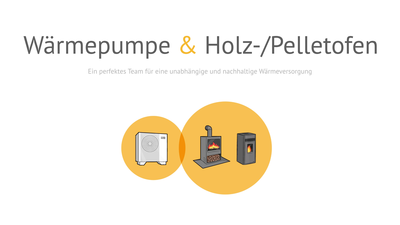
Hybrid heating systems combine different heat generators and energy sources, for example a heat pump with a wood-fired local space heater and a photovoltaic system. Such systems can be used in both new and existing buildings. The most suitable combination depends, among other factors, on the building, heat demand, system design and operating conditions.
The HKI Working Group “Hybrid Heating Technology 2.0” focuses on the technical interaction between these components. Particular attention is given to suitable interfaces, control strategies and system concepts. The aim is to connect different heat generators in a technically coordinated way and to take account of their respective characteristics within the overall system.
The performance and efficiency of air-to-water heat pumps depend, among other factors, on outdoor temperature and system design. In a hybrid system, a local space heater can provide additional heat and, depending on the system configuration and operating conditions, support the heat pump during certain operating phases. In the case of water-bearing appliances, the generated heat can also be integrated into the central heating system or a buffer storage tank.
HKI brings together the technical expertise of its member companies and provides a platform for professional exchange within the industry. Findings and requirements from the working group are fed into relevant technical, standardisation and policy discussions. At the same time, HKI promotes dialogue with energy consultants, planners, architects, installers, policymakers and other relevant stakeholders, thereby supporting the further technical development of hybrid heating systems